FAQs

FAQs

  • What is Pilates?
  • Who developed Pilates?
    Pilates was developed by Joseph Pilates, a German physical trainer, in the early 20th century. It was originally called "Contrology."
  • What are the benefits of Pilates?
    Pilates can improve core strength, flexibility, muscular endurance, posture, and balance. It also promotes relaxation, reduces stress, and enhances body awareness.
  • Is Pilates suitable for beginners?
    Yes, Pilates can be adapted for beginners with different fitness levels and abilities. It provides a gradual progression from basic to more advanced exercises.
  • How does Pilates benefit individuals with osteoporosis?
    Pilates can help individuals with osteoporosis by focusing on weight-bearing exercises that strengthen bones and muscles without excessive strain. It improves balance, posture, and bone density, reducing the risk of fractures.
  • Can Pilates alleviate symptoms of fibromyalgia?
    (Fibromyalgia is a chronic condition causing widespread pain, fatigue, and sleep disturbances. It involves heightened sensitivity to pain and affects how the brain processes pain signals.) Pilates may help manage fibromyalgia symptoms by promoting gentle stretching, improving muscle strength and endurance, and reducing stress levels. It can enhance overall physical function and quality of life for individuals with fibromyalgia.
  • Is Pilates beneficial for individuals recovering from surgery?
    Yes, Pilates can aid post-surgery recovery by promoting gentle movement, enhancing circulation, and restoring muscle strength and flexibility. It supports rehabilitation efforts while respecting surgical healing protocols.
  • How does Pilates contribute to spinal stability and mobility?
    Pilates exercises strengthen the deep stabilizing muscles of the spine, such as the transverse abdominis and multifidus. This improves spinal stability, alignment, and mobility, reducing the risk of back pain and injuries.
  • Can Pilates help manage symptoms of arthritis?
    Pilates exercises can be adapted for individuals with arthritis to improve joint mobility, strengthen surrounding muscles, and reduce pain and stiffness. It promotes functional movement and supports joint health.
  • What is the role of Pilates in pelvic floor rehabilitation?
    Pilates includes exercises that strengthen the pelvic floor muscles, which support bladder and bowel function, pelvic organ support, and sexual health. It can aid in pelvic floor rehabilitation post-pregnancy or for pelvic floor dysfunction.
  • How does Pilates support cardiovascular health?
    While not primarily a cardiovascular exercise, Pilates can indirectly support cardiovascular health by improving muscle circulation, muscular endurance, promoting efficient movement patterns, and reducing stress, contributing to overall heart health.
  • Is Pilates suitable for older adults?
    Yes, Pilates is gentle on the joints and can be modified for older adults to improve balance, flexibility, and strength. It supports healthy aging by promoting mobility and independence in daily activities.
  • How does Pilates promote neuromuscular coordination?
    Pilates exercises focus on integrating movement patterns that engage both the neuromuscular system (muscles and nerves) and cognitive functions. This coordination enhances motor skills, proprioception (awareness of body position), and movement efficiency.
  • Can Pilates help with musculoskeletal imbalances?
    Yes, Pilates addresses musculoskeletal imbalances by strengthening weak muscles and stretching tight ones. This balanced approach improves posture, alignment, and joint stability, reducing the risk of overuse injuries and chronic conditions.
  • What role does proprioception play in Pilates?
    Proprioception, the body's ability to sense its position in space, is enhanced through Pilates exercises that emphasize body awareness and controlled movements. Improved proprioception reduces injury risk and enhances movement quality.
  • What equipment is used in Pilates?
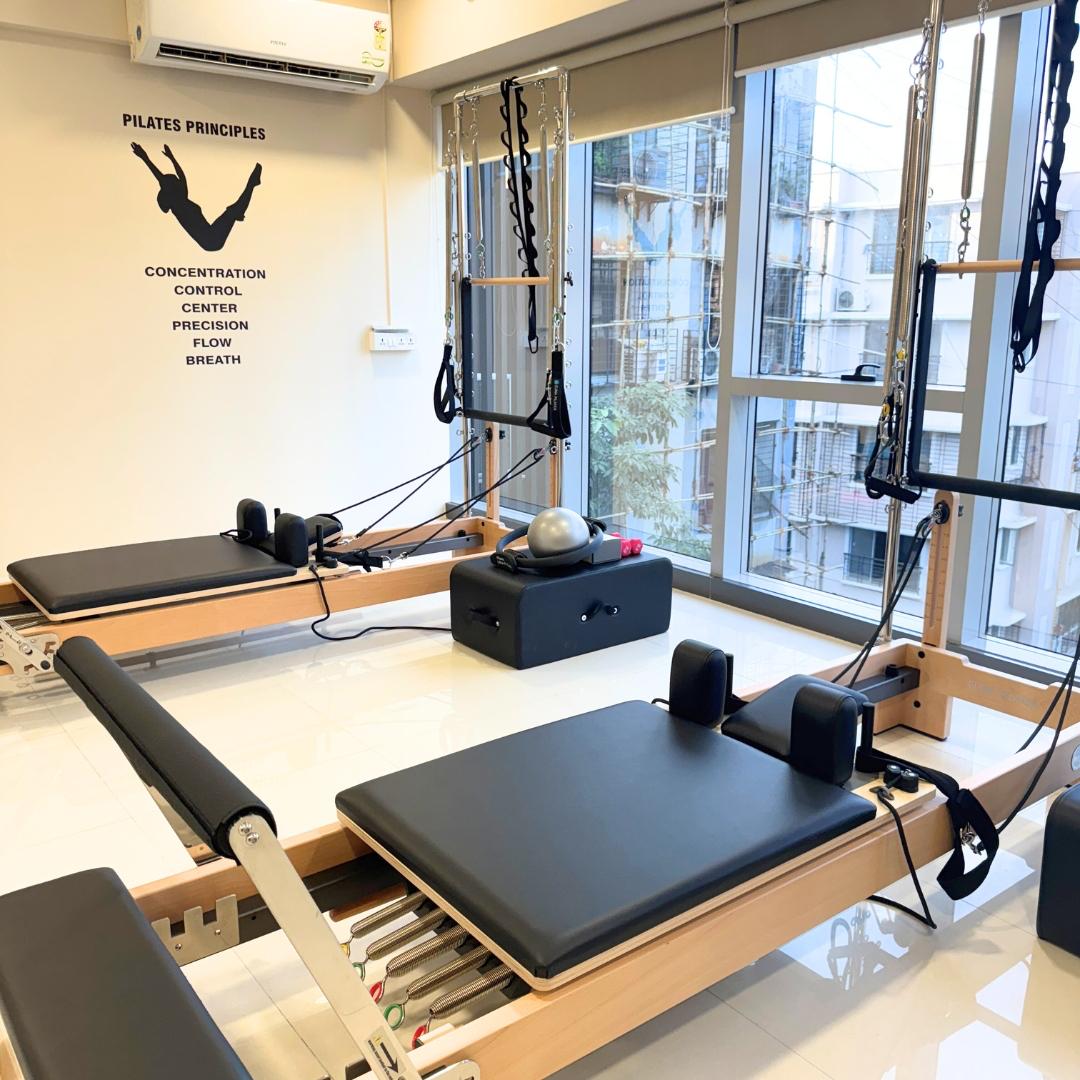
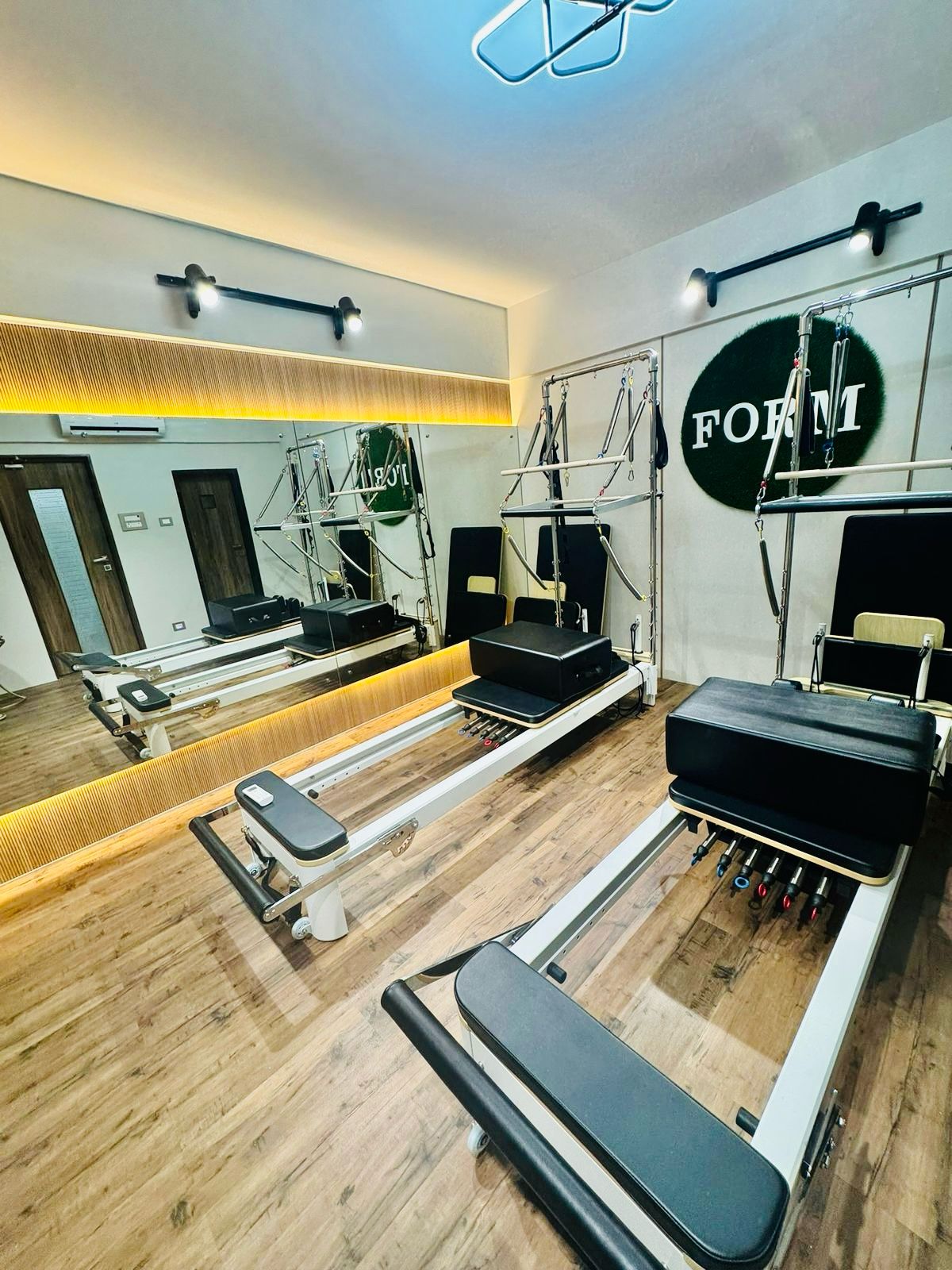
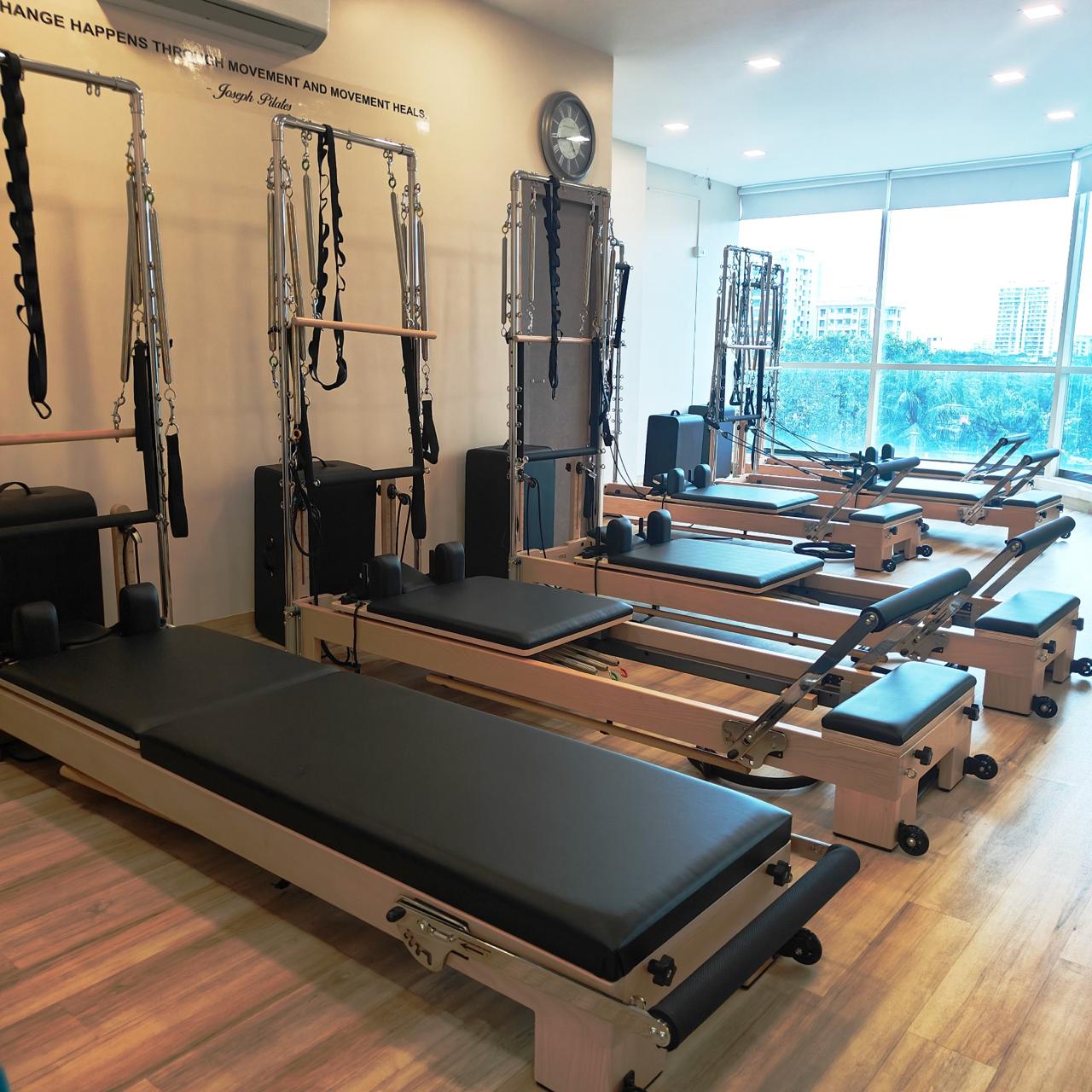
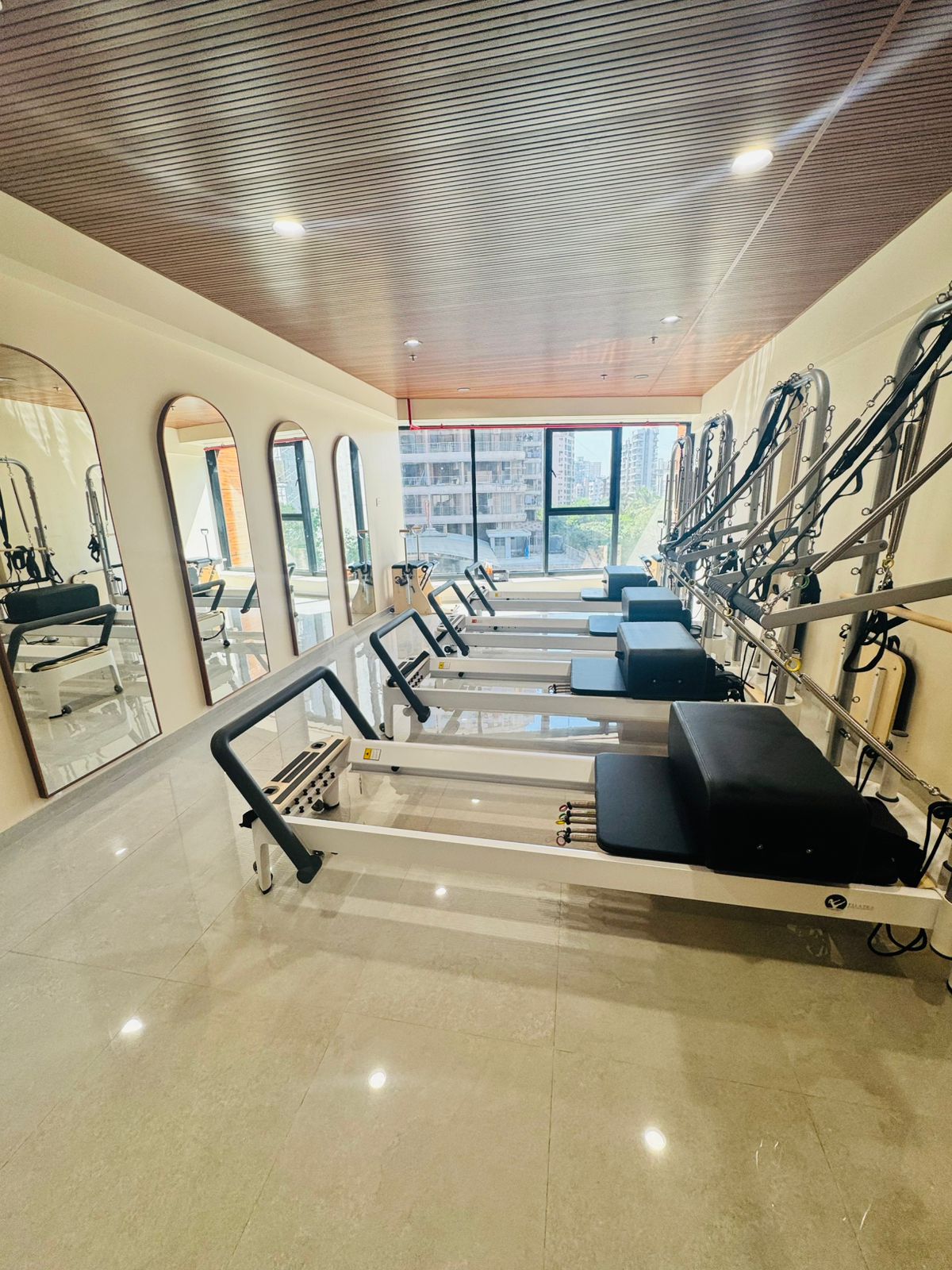
    Pilates can be performed using a mat (mat Pilates) or specialized equipment such as reformers, cadillacs, and barrels. Both methods offer effective workouts based on individual needs and preferences.
  • How often should I do Pilates?
    The frequency of Pilates sessions depends on your fitness goals and schedule. Beginners may benefit from 2 sessions per week, while more advanced practitioners may do Pilates 3-4 times a week for optimal results. It is recommended to do 3 sessions a week for better results.
  • Can Pilates help with back pain?
    Yes, Pilates is known for its ability to strengthen the core muscles that support the spine. This can alleviate back pain by improving posture, spinal alignment, and muscle balance.
  • Is Pilates similar to yoga?
    While Pilates and yoga share some similarities, such as focusing on breath control and mind-body connection, Pilates primarily focuses on physical conditioning and strengthening, whereas yoga incorporates spiritual and meditative aspects.
  • Who can benefit from Pilates?
    Pilates benefits a wide range of individuals, including athletes looking to enhance performance, seniors wanting to improve balance and flexibility, individuals recovering from injury or managing chronic conditions, and anyone seeking overall physical fitness and well-being.
  • What should I wear to a Pilates class?
    For Pilates, it's important to wear clothing made from soft, breathable fabrics like cotton or moisture-wicking materials. Avoid outfits with sharp zippers, metal accents, or rough seams that could cause discomfort during movement. Additionally, ensure your attire doesn't have clips, or clutter, as these can snag on equipment or the mat, disrupting your workout. Opt for form-fitting attire that allows freedom of movement without being restrictive. Non-skid socks are recommended over regular socks.

  • What role does breathing play in Pilates?
    Breathing in Pilates is integrated with movement to enhance concentration, oxygenation of muscles, and core engagement. It promotes relaxation and helps maintain control and precision during exercises.
  • How does Pilates improve flexibility?
    Pilates exercises focus on elongating and strengthening muscles through full-range movements. This improves joint mobility, and muscle nutrition, releases muscle tension, and enhances overall flexibility, promoting ease of movement in daily activities.
  • Can Pilates help with stress relief?
    Yes, Pilates incorporates mindful movement and breath awareness, which can reduce stress levels and promote relaxation. The concentration required during exercises can also help clear the mind and improve mental clarity.
  • What are the mental benefits of practicing Pilates?
    Pilates enhances mental focus, body awareness, and mindfulness. It encourages a mind-body connection that improves concentration, reduces stress, and boosts overall mental well-being.
  • Is Pilates suitable for athletes looking to enhance performance?
    Yes, Pilates can benefit athletes by improving core strength, flexibility, balance, and body control. It complements athletic training by enhancing muscle endurance and preventing injuries tfhrough balanced muscular development.
  • Can Pilates be used for rehabilitation after injury?
    Yes, Pilates is often recommended for rehabilitation due to its focus on controlled movements, core stabilization, and gradual progression. It can aid recovery by improving flexibility, strength, and restoring normal movement patterns.
  • What are the core muscles targeted in Pilates?
    Pilates primarily targets the deep core muscles including the transverse abdominis, pelvic floor muscles, and multifidus. These muscles support the spine, stabilize the pelvis, and contribute to overall core strength and stability.
  • How does Pilates differ from traditional strength training?
    Unlike traditional strength training that often isolates muscle groups with resistance, Pilates emphasizes whole-body integration, alignment, and fluid movements. It focuses on functional strength and movement patterns that enhance everyday activities.
  • Can Pilates help with chronic pain conditions?
    Pilates can be beneficial for managing chronic pain conditions such as lower back pain or neck pain. It promotes proper alignment, strengthens supportive muscles, and improves flexibility, which can alleviate pain and prevent recurrence.